Human made for 10 years.
We’ve seen them, you’ve seen them, Quavo has seen them…one of our SHOWS has been spoofed into an AI trend.Last month, “HOTEL LOBBY – A COLORS SHOW” performed by Quavo and the late...
We’ve seen them, you’ve seen them, Quavo has seen them…one of our SHOWS has been spoofed into an AI trend.Last month, “HOTEL LOBBY – A COLORS SHOW” performed by Quavo and the late...
Love has always been at the center of Isaiah Falls' music. Throughout his projects, LUCKY YOU, Drugs N’ Lullabies, and most recently, LVRS PARADISE, he's explored the feeling from...
Last week, Mexican artist Nsqk took the COLORS stage to perform “tuffluv,” a sultry reflection on the push and pull between romance and creative ambition, and the emotional distanc...
Over the past 10 years, COLORS has championed the voices shaping contemporary Latin music, with more than 50 Latin artists stepping onto our stage, each bringing their own sound, style, and perspective.
Last week, September 8th to 11th, we made our way to Peckham for TONES of LONDON, for intimate performances and unexpected collaborations in packed rooms filled with excited fans a...
For the artists Habibi Funk features, that wait can last decades. The Berlin-based record label began by coincidence, after its founder, Jannis, came across a record in Morocco tha...
Before a single post goes up about a TONES event, before we lock in a venue, and long before any artist is confirmed to perform, our team is already deep in the event’s chosen city...
The idea came first: an artist, a mic, and a single-colored background. Before COLORS had a studio or a name, it was only this image. Then, our first stage was created in an old ab...
“We believe it’s important to keep things genuine and human in our music, because we feel like we’re living in a time where there’s a lot of emptiness and soullessness,” says LATI...
Three artists, three worlds, one week, one stage. Scroll through any week here, and you'll see the same thing: artists from different generations, different genres, speaking different languages, sharing one stage.Over the past ten...
Sitting in the office now, it's quiet. Hard to believe that just a few days ago, this exact space was loud, packed, and bumping until 3 AM.Last week, from July 7th to 10th, during...
Recently, we had earthsignchels take the stage here at COLORS, and within hours comments praising her performance poured in: producers like Timbaland and Diplo, vocalists like Bree...
"My mum would always be singing Motown songs around the house, filling the rooms with soul, warmth, and melody. And my dad would play the saxophone. Before I even picked up the sax...
People in the streets, in the parks…and in the canal? Earlier this week, the city of love hit temperatures of 41 degrees, and we just so happened to be there co-hosting two buzzing...
The ‘90's were different. Our co-founder, Philipp, told us how back home, his mom would play music in every room, sometimes all at once, different songs competing to be heard as so...
A bunch of us just got back from Madrid last week, where we held our first TONES event in Spain, and in the words of Leon, our Head of Live, "It was fucking mental, man.” When we r...
We didn’t ghost you, we just didn’t know what to say 😇 👉👈Hear us out – we haven't been writing to you for quite a while now because we wanted to really figure out how to approa...
Newsletter August 15, 2026
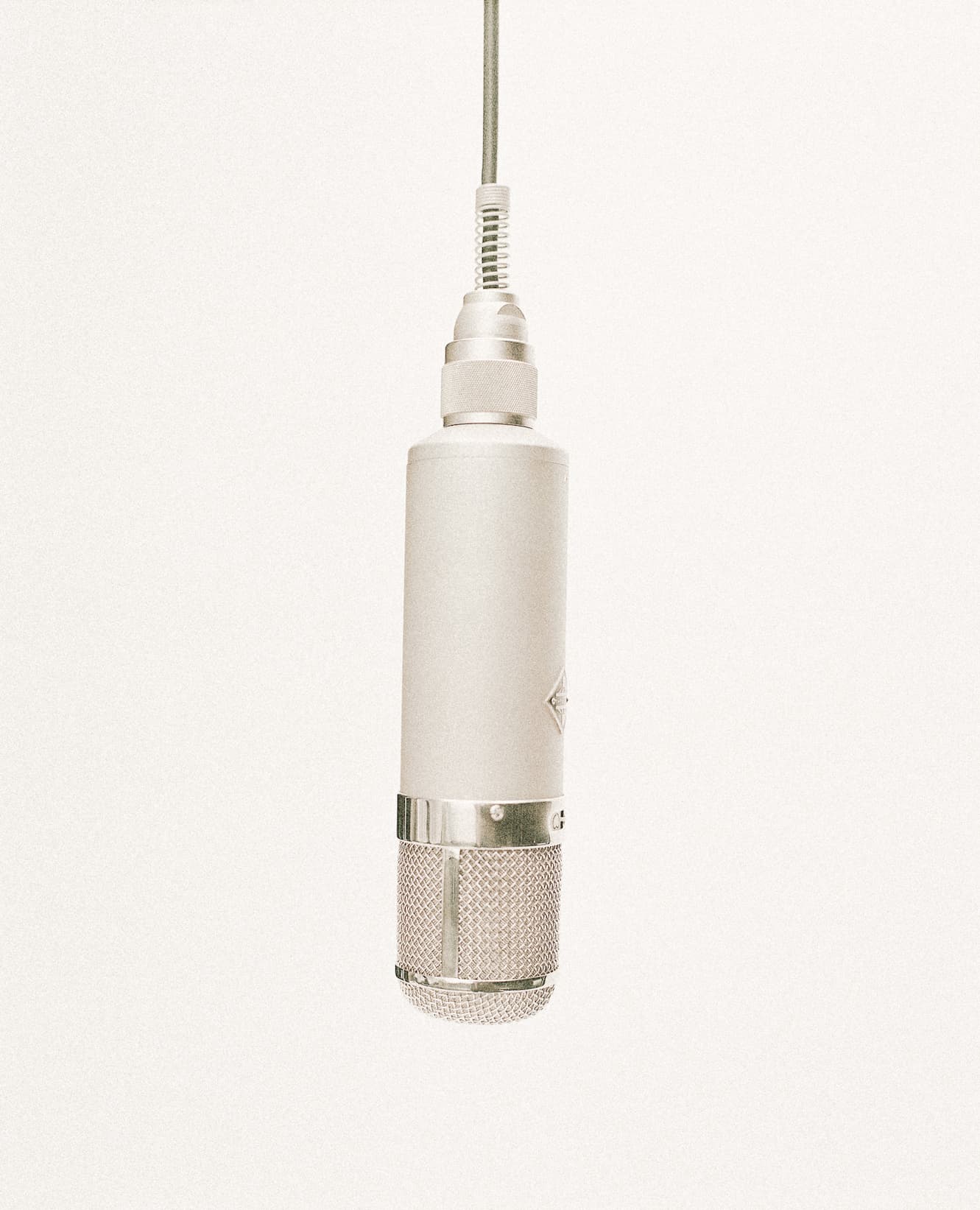
Then, our first stage was created in an old abandoned boiler house in Berlin with no running water, no heating, and completely built by hand. It took four months to turn it from a storage-room-like situation into a space where you could actually work and welcome artists.
From deep-cleaning the space to scrubbing out old stains and covering up holes, to building the stage, and cutting out an enormous steel pipe running through the studio, there was no space for shortcuts.
None of it was about the space looking good for its own sake. Everything went into making sure the artist felt at ease and could be present for their moment.
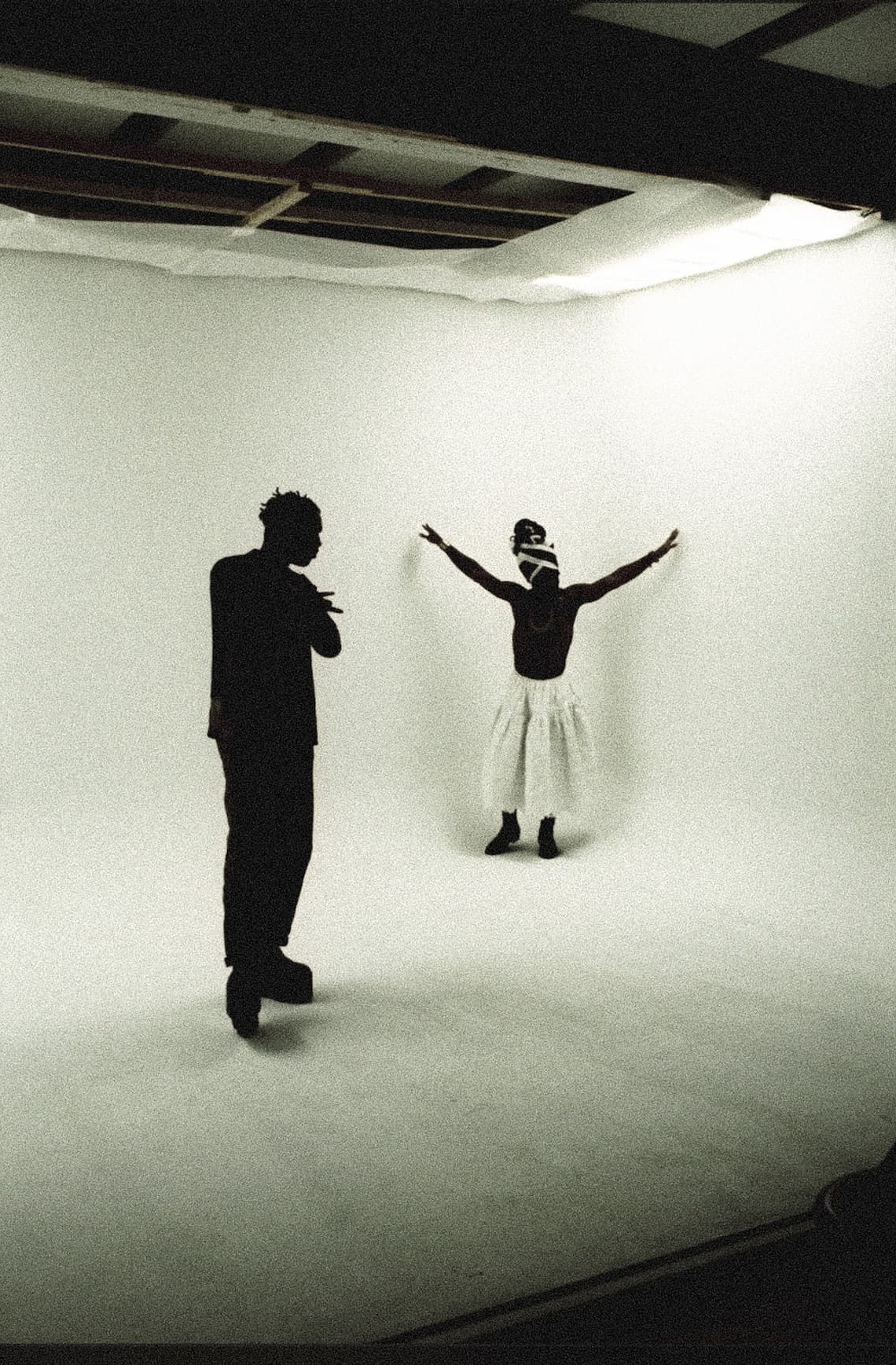
From the start, it was clear the stage would have to be painted; a green screen wasn't even on the table. But actually doing it, artist after artist, was another story. So the first paint job was pushed until the day before the very first shoot.
A turquoise-green was chosen, rolled on, and the team called it a day. Then they came back the next morning only to find... a mess. The room was so damp that the paint had dried in blotchy, uneven patches. So it was repainted that same morning and dried with fans just before the shoot. Thankfully, it somehow worked out.
But after a while, as more and more artists wanted to perform on that stage, the constant painting became overwhelming for the small team it was back then, especially with everything else that had to happen behind the scenes: recording, editing, curating shows, and getting them released online. So in 2018, there was a short-lived attempt to switch to a green screen.
And while it worked okay for a few colors, it really didn't work for others. So it didn't take long to learn there were no shortcuts here either; it was never "let's just get it over with," but always "let's make it perfect."
Now, in 2026, artists don't perform in a box anymore, but in front of a giant wall, atop a platform, and the job of painting falls on Simon, our production assistant.
When Simon first joined COLORS, he had a pretty similar reaction to what many people would probably assume: "Wait... this whole thing has to be painted?" After seeing the size of the wall, his first thought was, "Oh fuck, this wall is huge… Why isn't this just a green screen?"
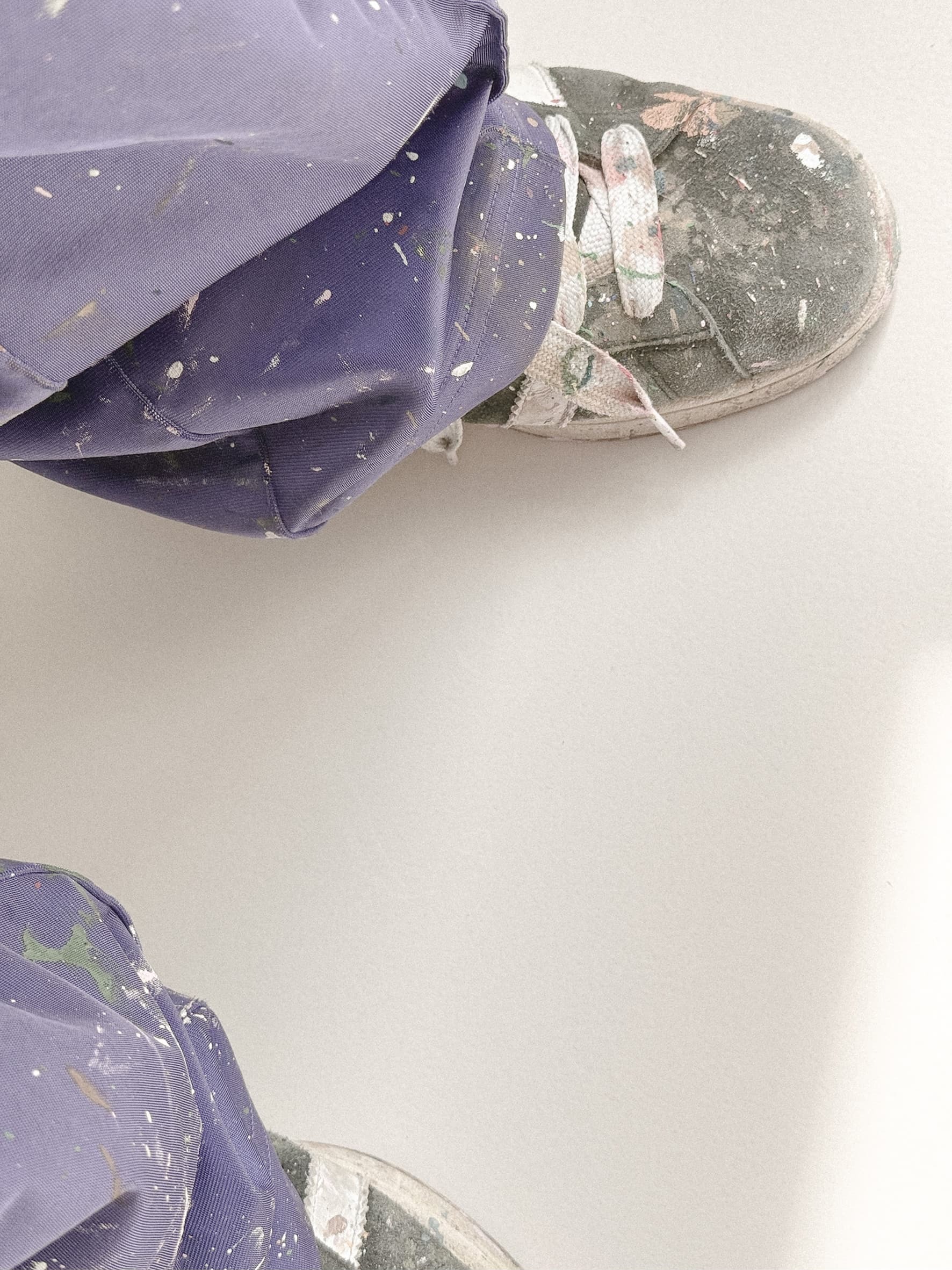
Then he painted it for the first time, and it clicked. Seeing the finished performance afterward, he realized just how much the painted stage changes the quality and also the feeling of the SHOWS.
That feeling is what allows the non-ordinary moments that become A COLORS SHOW to happen: the time and care put into the stage shines through in every brushstroke, and artists feel it the moment they walk through the studio doors, before they've even stepped on stage. It's that same feeling that pulls out their best in return.
Some weeks there’s only one paint job; others there’s four or five production days and up to six different colors, the stage going from blue to pink to yellow in the same day.
For Simon, painting is one of the more relaxing moments of his busy day on set. He opens the paint cans, puts on some music, turns the volume up over the speakers, and gets to work.
Once the rest of the team arrives, the studio comes alive as a COLORS production — the painting still drying on the walls. Team members go over to Simon's laptop, put on songs of their own choosing, and everyone starts prepping. Before long, the stage is set, waiting for whoever steps up next.
Then, after the last take is done, the artist's guard and tension tend to drop completely. That's usually the moment when the team actually gets to know them. Realizing that, in the end, the image that started all this was never really about the aesthetics of the stage, but about who gets to stand on top of it.